
Following the recent release of my piece on the Art of The Piano trio my old friend and jazz buddy Carl got in touch to suggest that I might frame a future piece exclusively around the evolving place of the ballad within the jazz cannon. I’m happy to do so.
For definitional purposes a jazz ballad is either an original composition or a standard played at a slow tempo. Ballads have retained their locus and significance throughout the 120 year history of jazz. Developing fluency in ballad playing remains a sine qua non for jazz players at every level. Ballads have the same “rite of passage” standing within jazz as expertise in the repertoire of jazz standards, bebop language or mastery of modal forms of improvisation. Exhibiting a distinctive command of the ballad form represents a major component of any musician’s claim to fluency in the jazz idiom and to external validation among fellow musicians and jazz audiences for their jazz “chops”.
I can’t think of too many live gigs I’ve attended in recent years which haven’t showcased ballads within the mix. In my own experience as a performer, we always aim to feature one ballad in each set.
The ballad form is replete with musical challenges.
- How to play at very slow tempi while retaining dramatic interest?
- How to retain rhythmic pulse and the elemental concept of swing at such slow speeds?
- What is the optimum length of a ballad treatment? (I would suggest the shorter the better having suffered through far too many over long ballad renditions).
- What are the particular challenges of ballad playing for small groups, big bands, soloists, vocalists and rhythm sections?
- How to avoid descending into kitsch in ballad playing?
- What are the particular musical and improvisational opportunities that can be showcased in ballad playing?
- Is there an optimum number of ballads to be played in a live set list?
I would suggest that ballad playing places a much higher valency on the value of each note. When playing faster compositions, it is relatively easy to disguise lack of creativity behind a blizzard of notes, in a ballad where every note counts you are very much out there on your own, in a much more exposed position vis-à-vis both the audience and band members.
Ballad playing also asks demanding questions of particular instrumentalists. For example, ballads offer an opportunity for the bass to play a more enhanced role within the mix. Drummers need to perfect their mastery of playing with brushes at slow tempi. Pianists and guitarists have to focus keenly on both time keeping and paying close attention to the harmonic shifts in a ballad. And great ballad performances often incorporate interesting changes in tempo or rhythm – often induced seemingly spontaneously- while always remaining anchored in the tempo in which the tune commences and concludes.
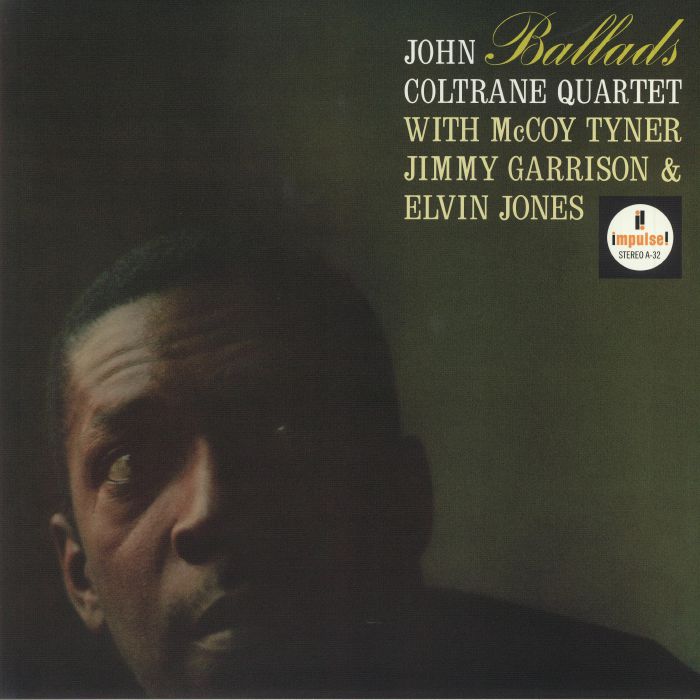
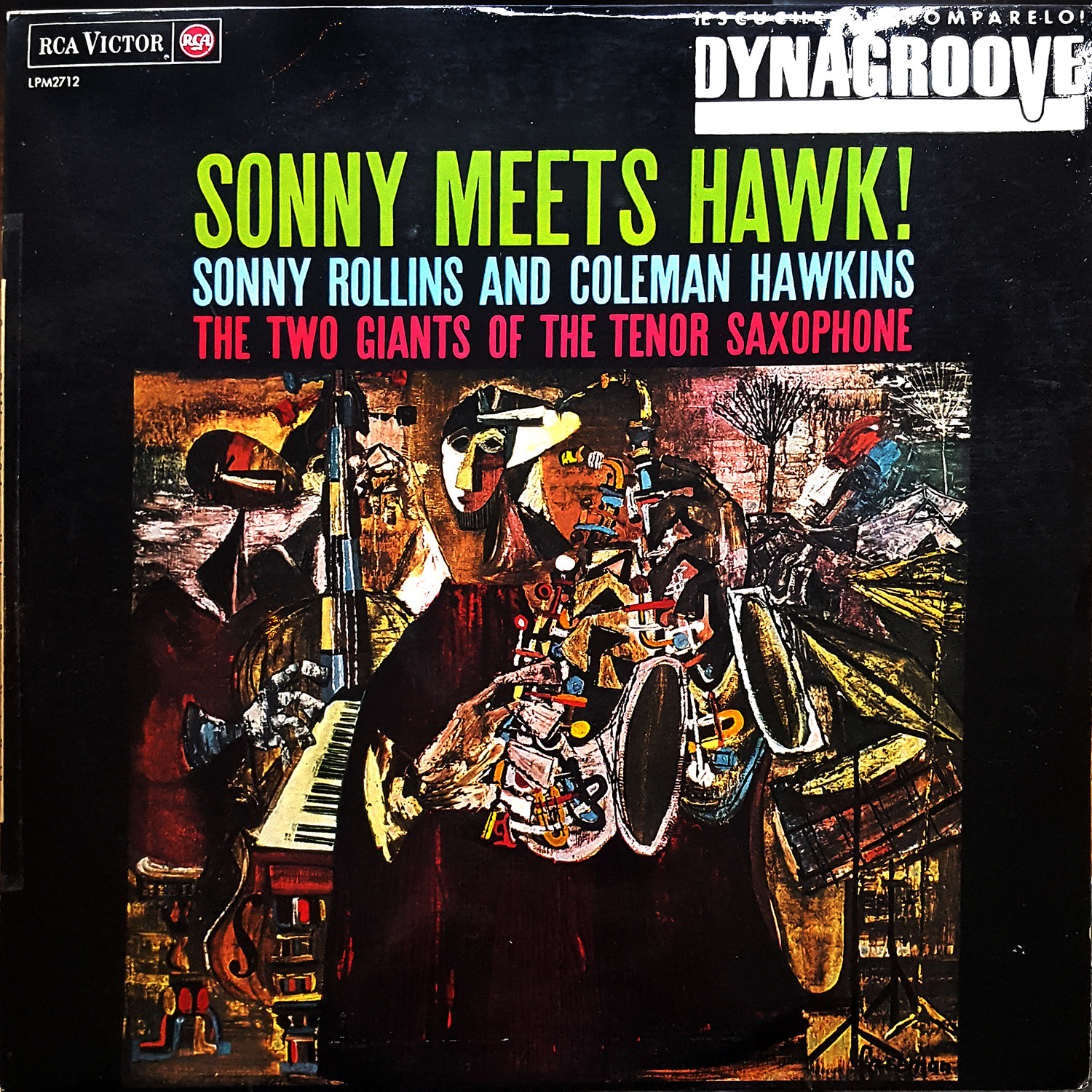
It is hard to think of a great jazz musician who has not demonstrated total mastery of the ballad form. Charlie Parker best known for his astonishing creativity and ease at extremely fast tempi was also a consummate balladeer. It may surprise readers to make the same claim about John Coltrane particularly considering the volcanic, high energy nature of his playing particularly in the last five years of his career, but he kept recording ballads, both originals and standards right up to the end. And of course, each member of his classic quartet; McCoy Tyner, Elvin Jones and Jimmy Garrison all shared a deep grounding in the ballad form. The same is true of Sonny Rollins, the saxophone colossus who had a particular taste for reinventing long forgotten show tunes.
Some players have developed a particular reputation around their ballad playing. Tenor saxophonist Ben Webster who cut his teeth as a rugged and rapid voice within Duke Ellington’s 1940’s orchestra spent his last 20 years playing ballads almost exclusively with a distinctive breathy timbre to his sound. Lester Young, an even greater tenor saxophonist of the same generation as Webster was increasingly drawn to ballad playing. While Stan Getz, who mastered any tune he chose to play at whatever tempo is probably now most immediately noted for his unique approaches to ballad playing., the perfect vehicle for his immediately recognisable tone and sensibility. Over the first 15 years of his career Miles Davis was a matchless ballad player, arguably setting the standard for all future ballad playing. The same could be said of the legendary Bill Evans, and contemporary pianists Bill Charlap and Fred Hersch.
Amongst vocalists both Shirley Horn and Sheila Jordan devoted themselves almost exclusively, particularly in the latter stages of their careers to their interpretations of ballads.
By the same token some outstanding players seemed to be much more drawn to playing at fast tempos recording ballads only rarely. Saxophonists Sonny Stitt, Tubby Hayes and Johnny Griffin all come to mind.
The Playlist
My playlist gives you a bespoke selection of over two hours of great ballads kicking off with early Coltrane and ending with a magnificent two generation version of Lover Man by Coleman Hawkins and Sonny Rollins. This last tune exemplifies all the multiple possibilities of ballad playing in the hands of jazz greats.
Recent Comments