
For every Miles Davis or John Coltrane- both of whom are celebrating their centenaries in 2026-for every Ella Fitzgerald, Charlie Parker, Mary Lou Williams, Ornette Coleman or Sonny Rollins whose reputations and legacies within and beyond the jazz world are uncontested there are many hundreds of jazz musicians whose names are largely or completely forgotten even to jazz cognoscenti.
This is a puzzle and the reasons may be both singular and complex.
Such a large proportion of that amazing cohort of bebop musicians who emerged in the 1940’s and 1950’s fell prey to the ravages of narcotics addiction which impacted so widely during this era with many also experiencing significant personal mental health challenges.
The jazz world, more so then but still to a degree now required enormous reserves of stamina, determination and self-belief to navigate a successful professional career (not to mention life) in jazz. Too often at the mercy of institutional racism, unscrupulous club owners, agents, and record companies with the heavy dues paid to personal and family through the necessarily remorseless touring schedule required to maintain momentum, critical status, name recognition, appearances on the festival circuits and future recording contracts. Art Blakey’s Jazz Messengers, Duke Ellington’s Orchestra were routinely out on the road 40 weeks in the year with the basic pay of band members being equivalent or less than a contemporary taxicab driver.
Clearly talent alone however precocious was not a sufficient condition to survive within the highly competitive and uncertain conditions of the jazz life. However, all the musicians that I am going to name check in this piece were outstandingly creative and accomplished performers who could have achieved the status of timeless jazz legends had their cards falling in a different configuration.
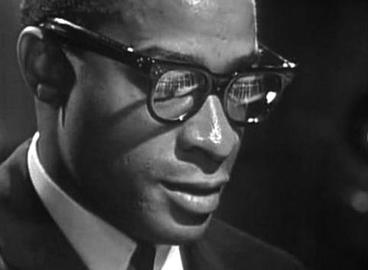
Phineas Newborn
In terms of talent and originality Phineas Newborn, Herbie Nichols and Sonny Clark to name just three outstanding but now largely forgotten pianists could easily match the maestro status accorded rightly to Monk, Bud Powell or Keith Jarrett. Nichols and Newborn lacked the personal fortitude to survive in the jazz life, a particularly heavy addiction to narcotics cut Sonny Clark’s career short at age 32. And yet contemporary research suggests that Thelonious Monk suffered from profound mental health challenges throughout his adult life, as did to varying degrees Charles Mingus, and Max Roach yet all three managed to run stellar jazz careers throughout their lifetimes and to remain widely respected creative figures decades after their deaths.
Died Too Young
Given that my main focus in this piece is on the foundational players of the bebop generation it is important to emphasize that the vast majority of these musicians were African American whose life expectancies and life chances during this era were far lower than those experienced by their white contemporaries. Both Charlie Christian the acknowledged inventor of the amplified guitar and Jimmy Blanton the first truly modern, front line bassist, both acknowledged as maestros in their lifetimes, neither of whom were involved in narcotics. However, both had their careers brutally cut short in their 20’s through T.B. Booker Little whose career was poised for take-off after he followed the legendary Clifford Trumpet into the trumpet chair of Max Roach’s quintet died of Uraemia at just 23.
Drug dependency, such an ever present feature of the jazz life in the twenty years following 1945 inevitably cut short many promising careers including Blue Note regular Sonny Clark(1931-63) , baritone saxophonist Serge Chaloff (1923-57) , tenor player Wardell Gray (1921-55) bebop trumpet maestro Fats Navarro (1923-50) and UK star drummer Phil Seaman (1926-72) – each of them died prematurely as a direct result of their narcotics addiction, an addiction that led to so many musicians of that generation spending time in prison as a result of the intersection between dependence on a supply of unlawful drugs and criminality. Jackie Mclean, Hampton Hawes , Art Pepper and Frank Morgan all of whom experienced long periods of drug addiction went on to write stark accounts of their individual lives in jazz. See my earlier chapter on Jackie McLean here – https://mylifeinjazz.co.uk/episode/jackie-mclean-bebop-royalty/
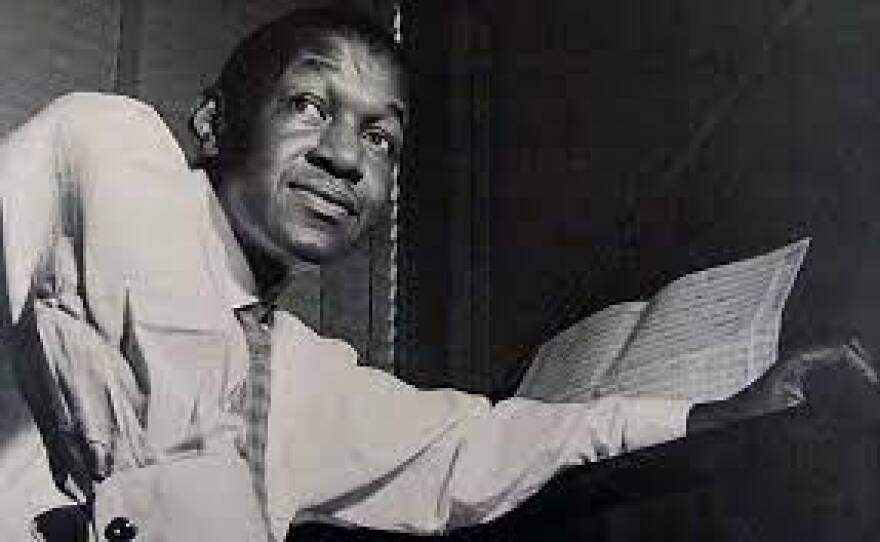
Herbie Nichols
Retreated from the Jazz Life
For many other musicians sustaining a viable life within the jazz world became too hard to bear. The price just seemed too high. Phineas Newborn one of the most inventive pianists of his generation had a career lasting less than twenty years and following a major nervous breakdown retreated to the care of his family in his later years.
Mike Osborne the great UK modernist/free alto player who I heard perform numerously in the 1970’s took a similar path out of jazz thirty years before his death in 2007.
Herbie Nichols led a largely obscure career the high points of which were two significant albums from Blue Note in the mid-50’s prominently featuring Nichols’ original compositions with Art Blakey featured on drums. Nichols left an important body of work which continues to influence contemporary pianists and is probably best known for writing Lady Sings the Blues for Billie Holliday. Sadly, Nichols dropped out of sight in the late 50’s and scuffled for a living playing cocktail bars and strip clubs in New York prior to his early death.
Warne Marsh possessor of the lightest, most immediately recognisable tone on tenor sax following his early association with Lennie Tristano and Lee Konitz never retired from the scene but withdrew from the front line and in fact died while playing Out of Nowhere on an obscure bandstand in Los Angeles.
Lost Legends in Person
I was fortunate enough to hear two forgotten jazz masters playing London venues in the 1970’s. Woody Shaw was a master trumpeter, band leader, composer and mentor who lived in the jazz fast lane while dealing with his narcotics addiction and an incurable degenerative eye condition which may have contributed to his falling onto the track of the New York subway towards the end of his life. In an interview early in his career Shaw said, “I would like to do for the trumpet what John Coltrane did for the saxophone” He certainly gave it his best shot. I can vividly recall his matchless tone, vitality and energy and the freshness and complexity of his original compositions in live performance.
I was also lucky to catch Warne Marsh and Lee Konitz reaching back to their early cool jazz days under the tutelage of Lennie Tristano in unforgettable performances in front of suitably hushed audiences at Ronnie Scott’s. Warne Marsh’; unique sound and harmonic approach is now the subject of much study in jazz conservatoires.
The Playlist
In my extended playlist running to almost three hours, you will find examples of the playing of all the musicians covered in this article., plus a nod in the direction of trumpeter Lonnie Hillyer a Mingus alumni with a close association with bebop master Charles McPherson-who is still playing in his late 80’s and guitarist Jimmy Raney backing Stan Getz on Round Midnight. Listen out also for a thrilling low-fi performance of The Chase, a live cutting contest between Wardell Gray and Dexter Gordon way back in the late 1940’s.
Recent Comments