
I write this as the 34th edition of the 2026 London Jazz Festival is drawing to a close. 300 shows across 70 venues from London’s landmark concert halls to tiny clubs over ten days. Last year’s festival attracted an aggregate audience in excess of 100K.
The festival in its current 10 day form was launched in 1993, very much the brainchild of John Cumming the much missed founder of Serious which promotes all styles of jazz and contemporary music within the UK and beyond and continues its deep association with the LJF today.
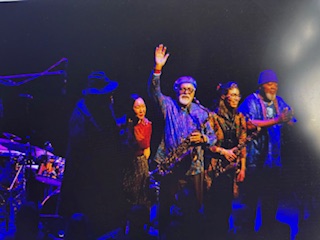
Joe Lovano Quartet November 13th 2026 courtesy of UK Jazz News
One of the founding and continuing ambitions of the festival is to present the widest range of both contemporary and cutting edge jazz performance and to nurture up-and-coming jazz talent from the UK and Europe. Looking up the programme for the 1993 edition which ranged from Acker Bilk the godfather of trad jazz through to Abdullah Ibrahim via the then tyro Denys Baptiste (who appeared again this year). Here’s the full1993 programme to give you a sense of the quality and range on offer that year;
- Jim Hall and Peter King Quartet
-
John Surman’s Brass Project, conducted by John Warren
-
Nitin Sawhney, David Jean Baptiste and Byron Wallen
-
Jools Holland Bigger Band Revue
-
World Saxophone Quartet
-
Delta Rhythm Kings
-
Humphrey Lyttelton
-
Acker Bilk
-
Nat Adderley
-
Stan Tracey
-
Abdullah Ibrahim
What has changed is the sheer scale of the festival, no doubt helped by the long term association with the festival’s major sponsor-EFG. The festival is now in a position to commission new works, look back to key figures in the music’s development- this year reflecting on the legacies of both John Coltrane and Miles Davis, global giants of our music together with a look back to London’s modern jazz scene in the 1950’s and 60’s –
In a recent interview with Jazzwise, Pelin Opcin, LFG’s programme director says.
“There’s no way that we couldn’t acknowledge these two pillars of the music… [Miles & Coltrane] … that constitutes jazz. They were both composers establishing the classical music of a modern era and their artistry is unrepeatable. Instead, these shows are each artist-led, allowing performers to display their influence and individuality in their own ways”
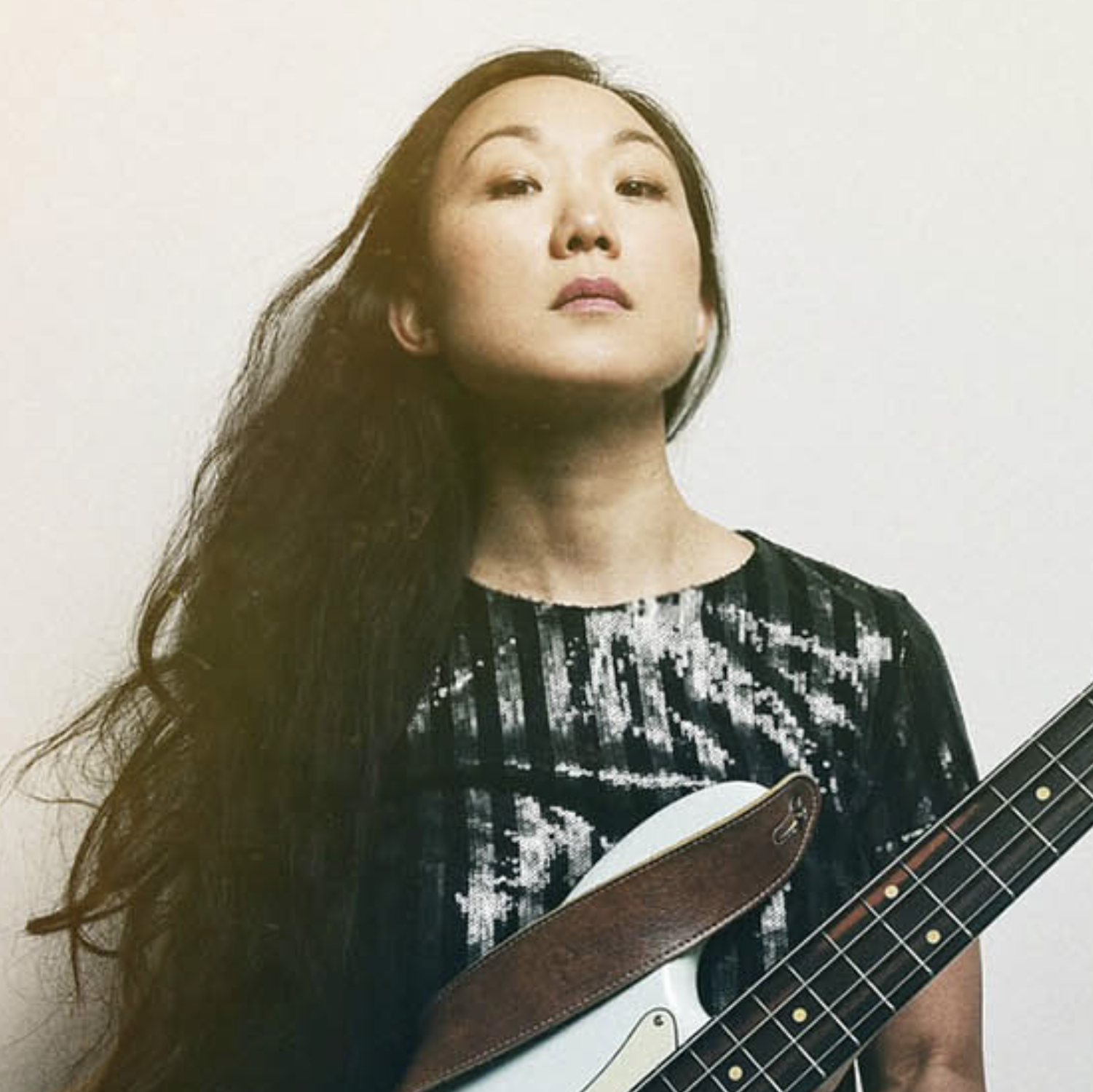
Linda May Han Oh
I attended this year’s launch concert Coltrane 100 at the Barbican, a multi-generational band led by saxophone maestro Joe Lovano which deftly reflected Pelin Opcin’s ambition; five world class musicians at various stages of their careers sharing their personal and collective allegiances to the legacy of John Coltrane. Joining Lovano were Melissa Aldana on tenor and soprano sax, Linda May Han Oh truly outstanding on bass, the legendary Jeff Tain Watts on drums and Nduduzo Makhatani on piano- often referencing McCoy Tyner- and vocals. A particular highlight of the evening was the interplay between Aldana and Lovano, with Watts reflecting the debt he owes to Trane’s drummer, Elvin Jones.
The LFG has developed a specific priority to open up both participation and attendance to younger musicians and audiences. In the same Jazzwise interview Opcin commented that,
“It’s always important for us to put on free shows and family gigs to widen access as well as running the Serious Youth Network so young people can register for cheaper tickets”.
At a time when we are all increasingly fearful for the future of small independent music venues an association with the London Jazz Festival provides both a lifeline and enhanced profile and visibility to rooms above pubs, pop-ups and smaller venues that continue to programme jazz. Stretching from the Royal Albert Hall and Barbican through to established clubs such as Ronnie Scott’s, the 606 and Vortex, through to newer venues such as Embassy Gardens in Nine Elms , all performance venues are able to contribute to and benefit from their association with the LFG.
London is by no means the only city to host a major jazz festival, however I think in terms of its foundational principles, range, diversity, ambitions and cutting edge focus few festivals can match it.
Stan Tracey @ 100
I am indebted to BBC Radio 3’s Composer of the Week to alert me to the fact that in December the great UK jazz pianist would have been 100. Regular readers will know of my huge regard for Stan Tracey’s music. His trio performance in 1970 was the first live gig I attended and his music., albums and live performances form an indelible mark on my own jazz life. Over five one hour programmes presenter Kate Molleson together with Stan’s son, biographer and drummer, Clark Tracey reflected on his life, music, hard times and good times and legacy.
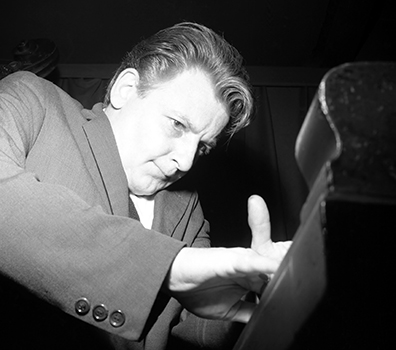
Stan Tracey
Here you will find links to Composer of the Week (which increasingly features jazz musicians these days) and my earlier piece devoted to Stan Tracey, a man of very few words but astonishing musical impact.
The Playlist
As you would expect my playlist features artists who all appeared at this year’s festival plus three tracks from Stan Tracey’s discography exemplifying his original writing for and playing with trio, Octet and big band. The Octet and big band tracks aren’t available on Spotify; here are the links to those tunes on YouTube;
www.youtube.com/watch?v=fJxc8r55tdc&list=RDfJxc8r55tdc&start_radio=1
www.youtube.com/watch?v=g0O7AxN9osI&list=RDg0O7AxN9osI&start_radio=1
Recent Comments